
Talent Is Everywhere. Opportunity Needs to Catch Up
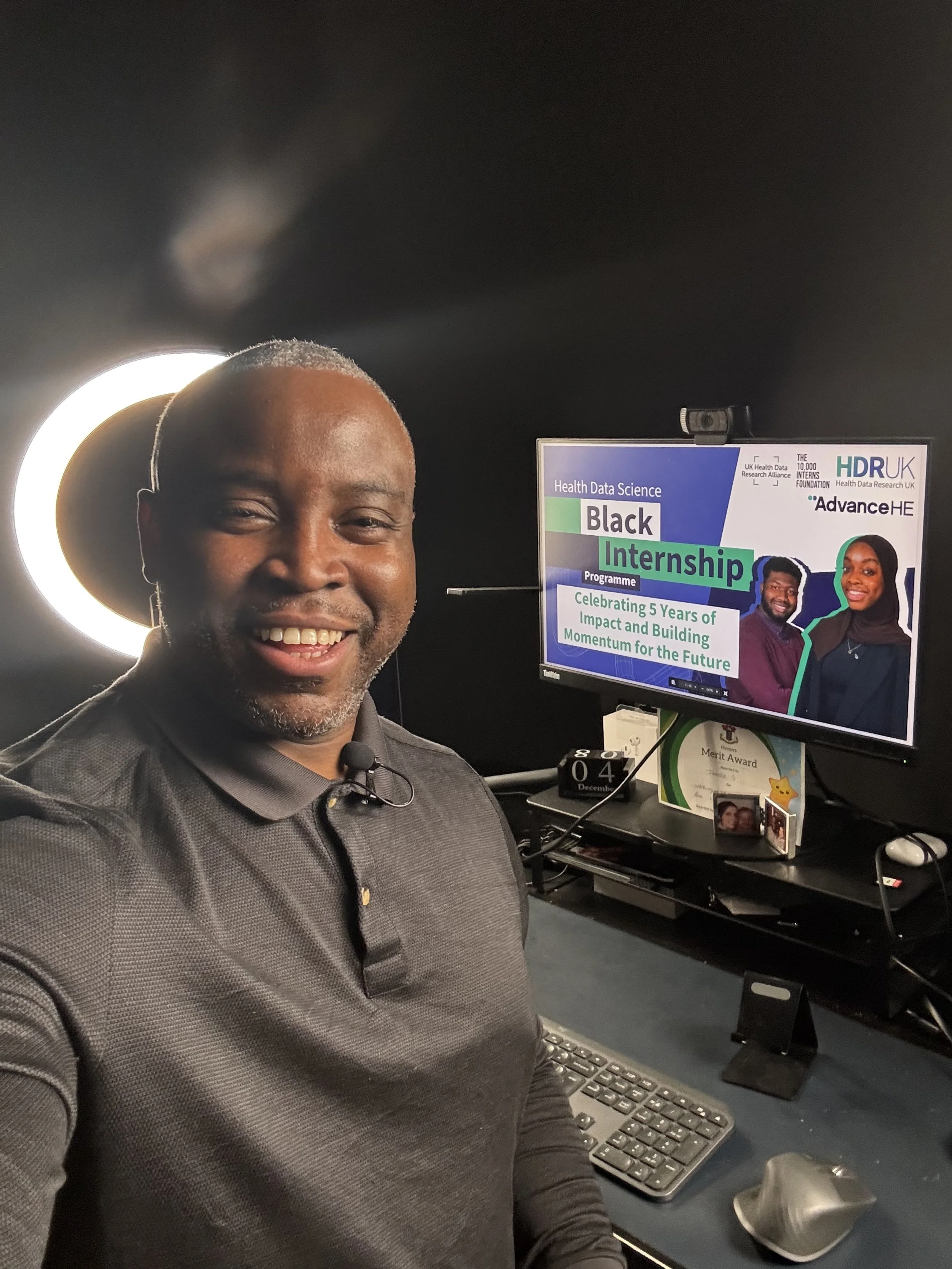
Nyambe “Yam” Sumbwanyambe - Founder, The Black Sherpa & The 29k Club
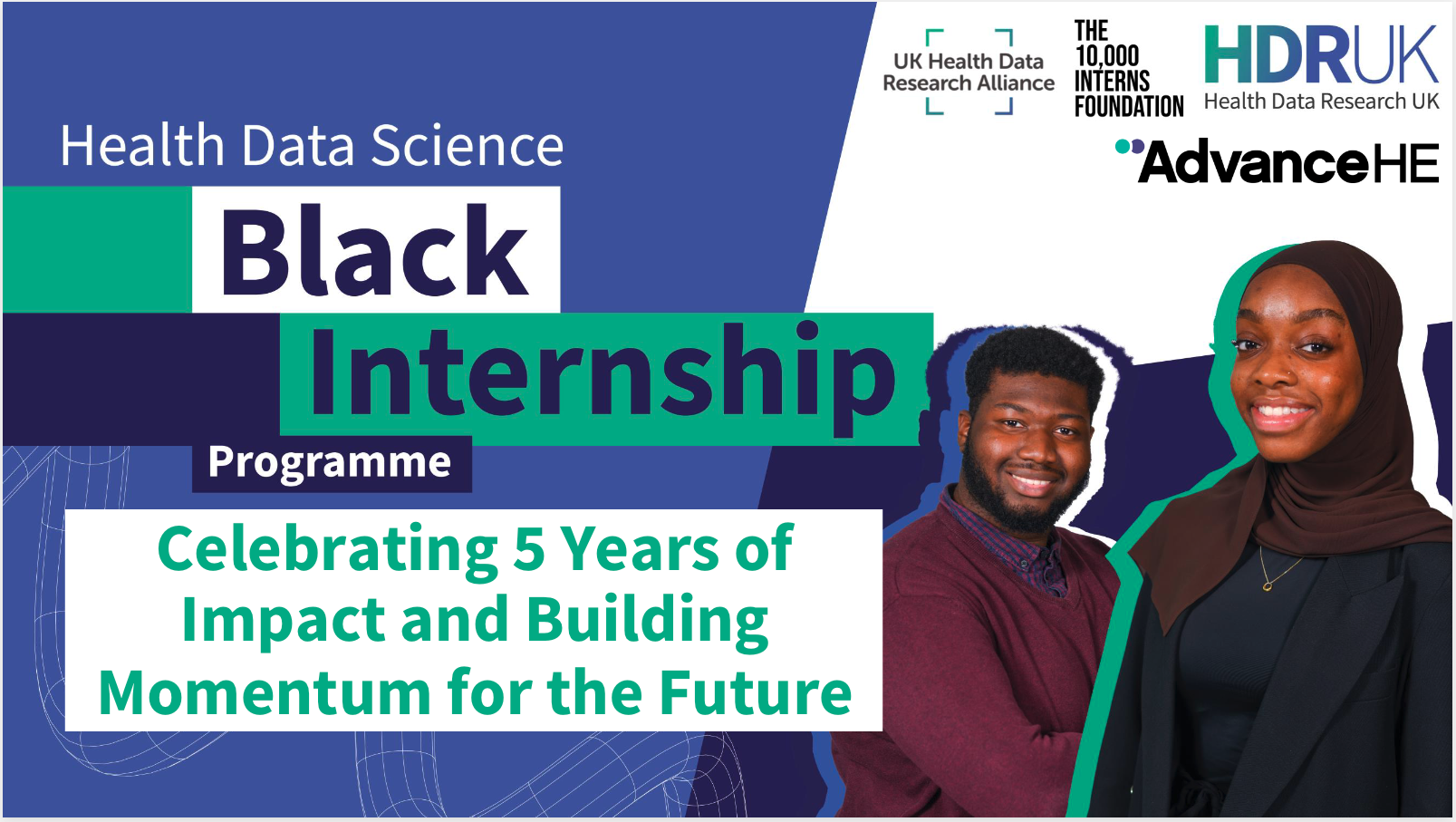
A personal reflection from the HDRUK Black Internship Programme 5-Year Celebration
I left this event carrying two things.
Gratitude.
And responsibility.
Celebrating five years of the Black Internship Programme at Health Data Research UK (HDRUK) wasn’t just about looking back at progress. It was a moment of clarity about what happens when opportunity finally catches up with talent… and what it costs when it doesn’t.
I was invited to share a keynote, but what unfolded felt bigger than a speech. It was a shared moment… with interns, alumni, host organisations, evaluators, and leaders… about access, systems, and how careers really move in health data science.
This is my personal reflection on what I shared, what I heard, and why I believe this programme matters now more than ever.
Why I opened the way I did
I began my keynote with a line I’ve lived with for years:
“Talent is everywhere. Opportunity needs to catch up.”
Not as a slogan.
As a truth.
When you have around 1,500 capable applicants each year competing for too few places, you don’t have a pipeline problem. You have a pattern.
A pattern where opportunity flows through familiarity, proximity, and comfort… not evenly, and not fairly.
This matters because it changes the conversation.
This isn’t about motivation.
It isn’t about confidence alone.
And it certainly isn’t about “fixing” people.
It’s about access.
And I wanted to be clear on one thing early on: most people are not acting with bad intent. Most leaders want to do the right thing.
But systems are not neutral.
As I said on the day:
“If you don’t intentionally design for fairness, you unintentionally design for inequality.”
That’s not blame.
It’s responsibility.
The story I needed to tell
I shared a moment from my own career that still shapes how I think about progression.
A few years ago, I applied for a Chief of Staff role. A genuine step up. I’d prepared properly… done the work, spoken to senior leaders, built evidence.
On the first screening call, before I’d finished my second sentence, I heard:
“Based on experience level… I’m not sure you’ll be competitive.”
Not capability.
Not potential.
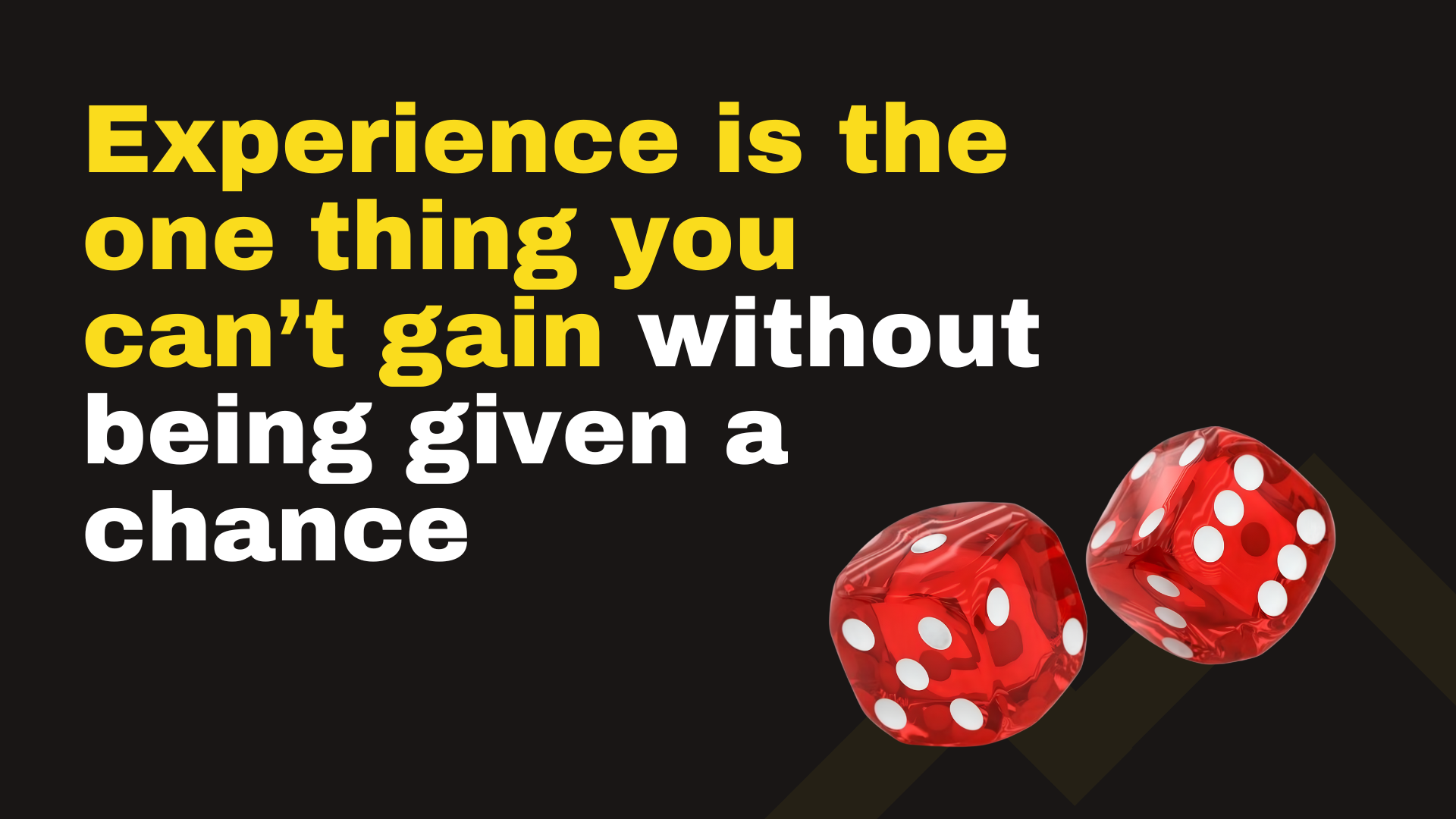
Just experience… the one thing no one can gain without being given a chance.
That familiar feeling showed up. The one many underrepresented professionals know well. The sense that the decision has already been made.
Instead of shrinking, I asked a simple question:
“Is there anything that suggests I couldn’t develop the competencies required for this role?”
There was a pause.
“No.”
So I smiled and said:
“Brilliant. Because we’ve got 27 minutes left… and I’m going to use every single one to convince you I’m the right person for this job.”
The energy shifted. We laughed. And the real conversation began.
I didn’t get the job.
But that wasn’t the win.
What mattered happened afterwards.
I kept the senior conversations I’d already lined up. When asked how the process was going, I shared what had happened… calmly, clearly, without heat.
Something rare happened.
Good leaders listened.
They reflected.
They acted.
The process was reopened. The criteria were reconsidered. I earned my place in the room and made it to the final two.
That moment taught me three things I wanted the room to hear clearly:
Good intentions don’t fix structural barriers
Advocacy isn’t arrogance… it’s clarity in action
Career progression isn’t just about skill… it’s about access to context
Context is what really moves careers
This is where my story connects directly to the Black Internship Programme.
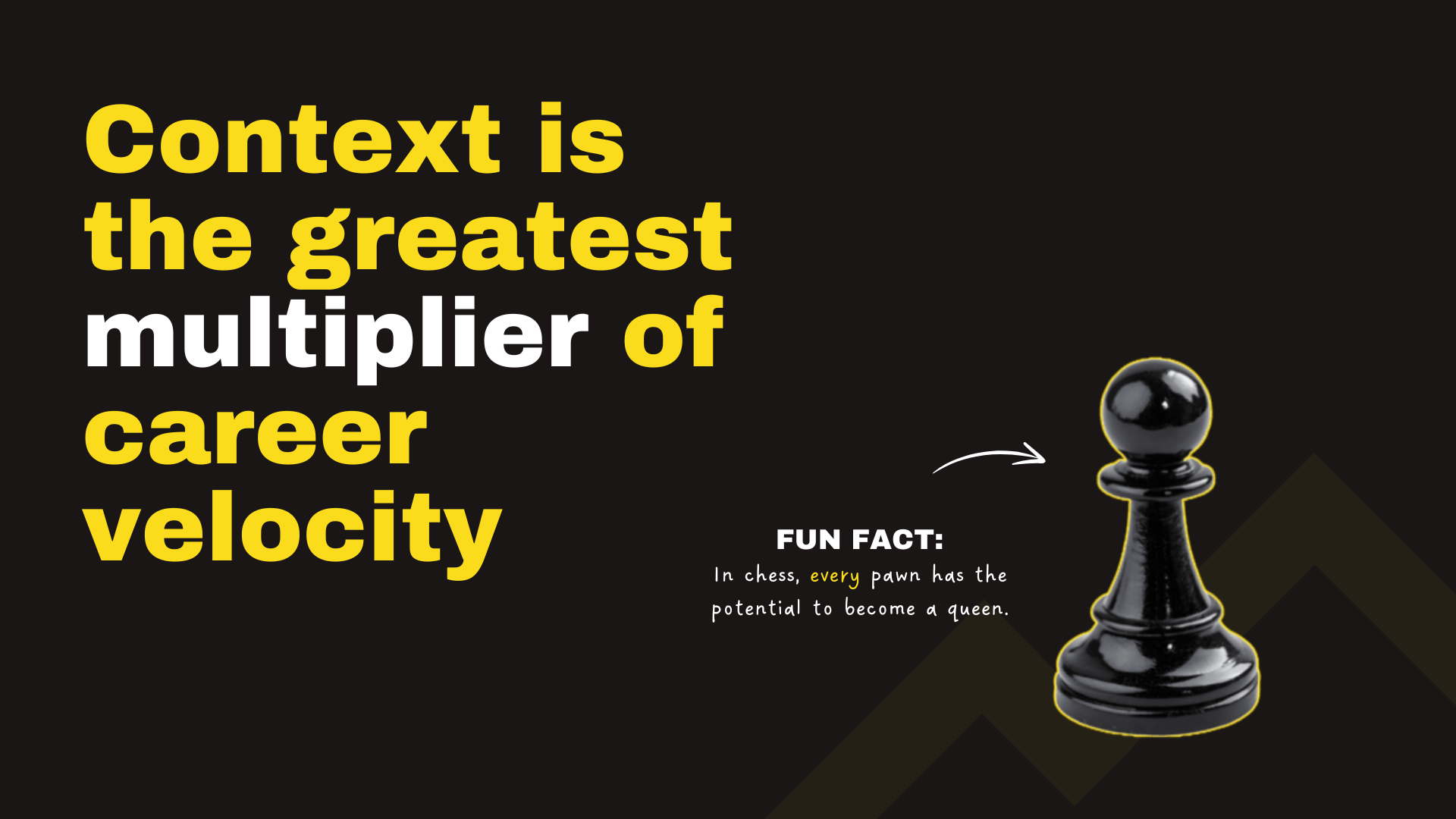
Success isn’t shaped by skill alone. It’s shaped by context:
the unwritten rules
the informal expectations
the quiet conversations
how things really work
Some people inherit this context without realising it. Others have to build it from scratch… slowly, painfully, and often alone.
That’s why I said this on the day, and why I’ll keep saying it:
“Under represented doesn’t mean under-qualified. It means missing context.”
Not missing talent.
Not missing ambition.
Missing the information that speeds progress.
And here’s the uncomfortable truth we don’t say often enough:
We judge people on outcomes they were never given the context to produce.
Everest, shared context, and why Sherpas matter
To make this tangible, I shared a story many people think they already know.
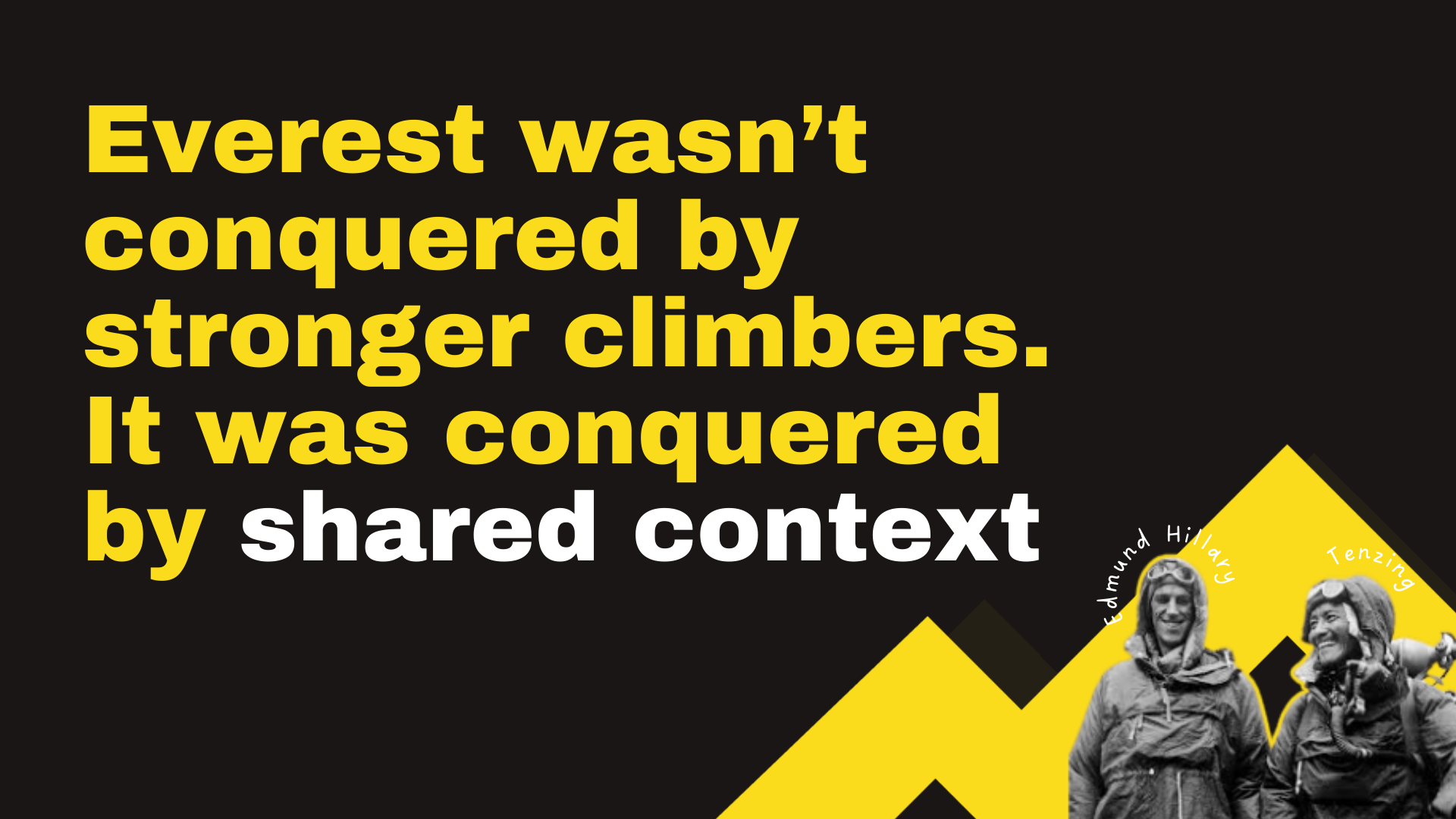
In 1953, Sir Edmund Hillary and Tenzing Norgay became the first people to reach the summit of Mount Everest.
What’s often forgotten is what came before.
Decades of failed attempts.
Highly capable climbers.
World-class preparation.
They didn’t fail because they lacked skill.
They failed because they lacked shared context.
Progress only began when climbers stopped hoarding information and started sharing what they had learned.
And even then, one factor mattered more than any other.
The Sherpas.
They didn’t just carry supplies.
They carried context… knowledge of the route, the rhythm, the risks, and when to stop.
They offered Guided Independence.
Careers work the same way.
People don’t stall because they lack talent.
They stall because they lack access to shared context.
Why The Black Sherpa and the 29k Club exist
This is exactly why I founded The Black Sherpa and the 29k Club.
Not to motivate people.
Not to fix them.
But to help talented, overlooked professionals access the context they were never given.
Sherpas don’t carry people up the mountain.
They guide, steady, and share what they know so others can climb under their own power.
The 29k Club… named after Everest’s height, exists to help people build:
Clarity about how systems really work
Confidence to navigate them
Community so no one climbs alone
That same philosophy runs through the Black Internship Programme.
It doesn’t lower the bar.
It shows people where the bar is… and how to reach it.
The evidence behind the impact
One of the most powerful parts of the day was seeing the programme’s impact backed up with evidence.
The independent evaluation was conducted by the Insights team at Advance HE, with Dr Anne Rowan and Dr Nkasi Stoll, and was presented as part of the celebration by Dr Panagiota (Peny) Sotiropoulou, who led this work.
What stood out was not just what was measured, but how.
This was rigorous, evidence-led work… the kind that helps organisations plan for the future, not just reflect on the past.
The findings were clear:
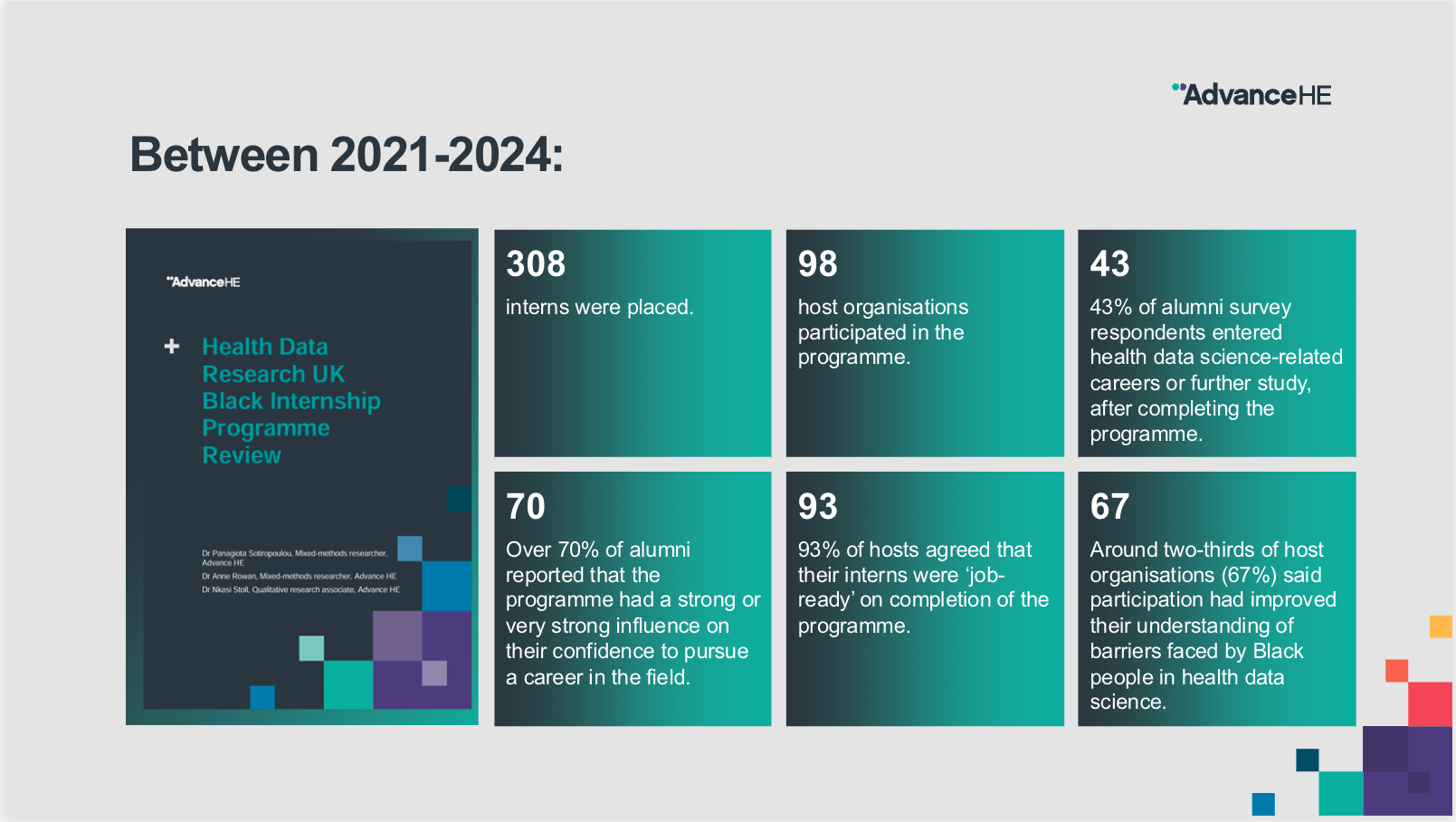
43% of alumni progressed into health data science or related careers
70% reported a strong or very strong boost in confidence
93% of host organisations said interns were job-ready
67% said hosting helped them better understand the barriers Black professionals face
This wasn’t about good intentions.
It was about outcomes.
Access changes performance.
Voices from the room
The panel and reflections brought the data to life.
Interns spoke honestly about nearly talking themselves out of applying… not because they weren’t capable, but because they didn’t yet feel they belonged.
One line stayed with me:
“Everything can be figured out.”
Host organisations were just as clear.
They didn’t describe hosting as charity. They described it as value… better questions, sharper thinking, stronger teams.
Many said they keep coming back because it works.
The partnership with 10,000 Black Interns also showed what’s possible when organisations stop working in isolation and start building access together, at scale.
Gratitude where it’s due
I also want to pause and say thank you.
Thank you to HDR UK for creating the space and bringing people together.
Thank you to everyone who contributed their insight and experience, including Favour Yahdii Aghaebe, Emmanuel Ughoo, Dobrin Namboowa, Sandra Nwobi, Michael Taiwo, Saul Thorne, Professor Martin Levermore MBE, Dr. Peny Sotiropoulos, and Professor Andrew Morris, Director of HDR UK.
And thank you to Sarah Cadman, Dona Reddiar, Sophie Gould, and the wider team who made this event happen… thoughtfully, carefully, and with real intent.
This kind of work doesn’t happen by accident.
The urgency we can’t ignore
One message came through clearly.
Demand now outstrips capacity.
Each year, strong candidates are turned away… not because they aren’t ready, but because there aren’t enough host organisations.
That’s not a lack of talent.
It’s a lack of doors.
Why this isn’t “just EDI”
I said this clearly in my keynote:
“This isn’t just EDI work. This is about talent, culture, and performance.”
When people have:
Clarity
Confidence
Community
They don’t just feel included.
They perform better, innovate faster, and stay longer.
That’s not charity.
That’s common sense.
My ask… to you
If you’ve read this far, I hope you’ll do one of three things.
If you’re early in your career or exploring health data science
Apply.
You don’t need to be “ready”. Curiosity and honesty matter more than polish.
If you know someone who should apply
Share the programme.
Access often flows through people, not platforms.
If you influence hiring or placements
Explore becoming a host organisation.
Hosting isn’t admin. It’s impact.
And one final reminder:
You don’t need a senior title to be a Sherpa.
Sharing context. Making introductions. Explaining how things really work.
Those are moves all of us can make.
A final reflection
I closed my keynote with a simple challenge:
Fix one rope. Open one door. Change one climb.
You don’t need to change the whole system.
You just need to take responsibility for one person’s context.
That’s how careers move.
That’s how stories change.
And that’s why the Black Internship Programme matters.
Talent is everywhere.
Opportunity needs to catch up.
Climb Steady.
I’m Yam – Founder of The Black Sherpa
Founder | Strategist | Speaker | Host of The Black Sherpa Podcast
I founded The Black Sherpa to create a world where talent rises on merit and no one’s potential is held back by bias or barriers.
Through bold strategy, storytelling, and our flagship community, The 29k Club - I help professionals grow with confidence and support leaders to build cultures that truly live their values.
Let’s connect and build a future where inclusion powers performance, and leadership reflects the world we serve.